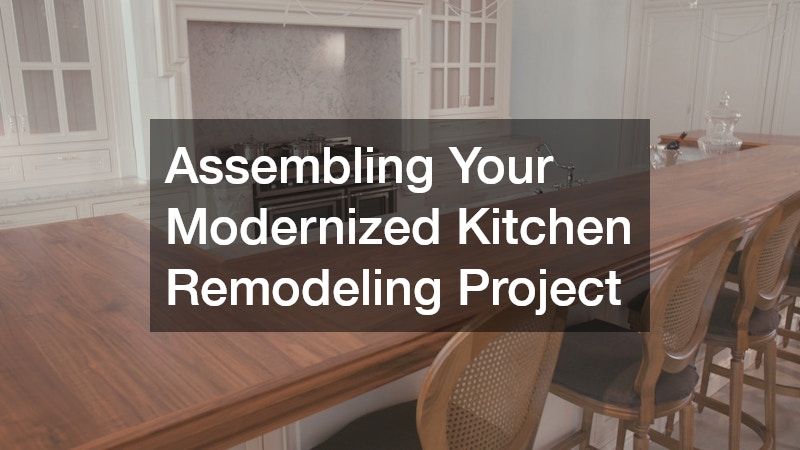

The modern kitchen has outgrown its traditional definition. It is no longer a hidden, utilitarian space tucked away at the back of the house solely for boiling water and washing dishes. Today, it operates as the undisputed emotional, social, and technological command center of the household. It is where morning routines are launched over espresso, where remote work happens between snacks, and where guests naturally congregate during weekend dinner parties. Because the kitchen wears so many hats, planning a comprehensive update is notoriously complex.
Many homeowners jump blindly into a remodel, seduced by beautiful photos on social media, only to quickly find themselves trapped in a logistical nightmare of delayed shipments, conflicting contractor schedules, and blown budgets. The secret to avoiding these common pitfalls lies in shifting your mindset. You must stop viewing a remodel as a chaotic sequence of tearing things down and picking out pretty materials. Instead, view it as a highly structured, professional assembly process. By treating your renovation like an elite engineering project, you can ensure a smooth timeline, control your expenses, and achieve a high-end, deeply functional space that stands the test of time.
Mapping the High-Traffic Zones

The classic “work triangle”—the path between the sink, refrigerator, and stove—still has merit, but modern design expands this concept into dedicated functional zones. By separating the room into prep, cooking, baking, cleanup, and snacking stations, multiple people can utilize the space simultaneously without stepping on each other’s toes.
- Clearance Lanes: Ensure all major walking pathways are between 42 and 48 inches wide. Anything less creates a bottleneck when dishwasher doors or oven racks are fully extended.
- The Island Pivot: If you are adding a central island, design it so that the main preparation sink or cooktop is directly across from the refrigerator, allowing you to pivot rather than walk long distances with heavy ingredients.
- Landing Pads: Always leave at least 15 to 18 inches of open counter space on both sides of major appliances for safely setting down hot pans or groceries.
- Smart Proximity: Position the trash container within the preparation zone rather than the cleanup zone so you can sweep organic waste directly into the bin during active chopping.
Maximizing Vertical Footprints
Storage strategy dictates the entire layout of your walls. To achieve a clean, clutter-free look, every appliance, pot, and spice jar needs a designated, easily accessible home. Working alongside a dedicated kitchen cabinet designer ensures that you do not waste a single square inch of potential storage space.
- Ceiling-Height Storage: Extend your upper wall storage all the way to the ceiling line. This eliminates the awkward, dust-gathering gap at the top and provides prime storage for seasonal platters or holiday dishware.
- Deep Drawer Systems: Replace traditional lower base cabinets with extra-wide, deep drawers. It is vastly more ergonomic to pull a heavy drawer out and look down at your pots than it is to get on your hands and knees to peer into a dark, deep shelf.
- Integrated Organizers: Incorporate vertical cookie-sheet dividers, pull-out trash recycling centers, and custom appliance garages with internal power outlets to keep small appliances off your main workspaces.
- Toe-Kick Storage: Utilize the typically wasted hollow base beneath lower cabinetry by installing shallow, touch-activated toe-kick drawers to store step stools or flat baking sheets.
Taking the time to get these structural decisions down on paper prevents costly mid-construction changes. Entrusting these early phases to comprehensive remodeling services ensures that any desire to knock down structural walls, expand windows, or open up the floor plan to an adjacent living room is vetted by structural experts who know exactly how to safely support your home’s roofline.
Future-Proofing Your Power Grid
Modern culinary technology requires massive amounts of electrical power. Induction cooktops, built-in steam ovens, high-draw dishwashers, and smart refrigerators can easily overload an outdated electrical panel, leading to tripped breakers and potential safety hazards.
- Dedicated Circuits: High-draw appliances must have their own independent electrical lines run directly from the main panel to prevent interference with smaller countertop electronics.
- Strategic Outlet Placement: Beyond standard wall outlets, integrate continuous plug strips tucked discreetly under the upper cabinets or pop-up charging stations built directly into the island surface.
- Smart-Home Infrastructure: Run low-voltage data cables or dedicated Wi-Fi extenders to the kitchen zone to ensure your smart refrigerator, automated oven, and voice-controlled systems maintain a flawless digital connection.
- Emergency Sub-Panels: Install a secondary electrical sub-panel directly inside a nearby pantry closet to make resetting a localized kitchen breaker fast and simple without running to the dark basement.
To handle these intricate updates safely and ensure absolute compliance with changing local building codes, you must hire a licensed residential electrician who can evaluate your overall home service capacity and upgrade your panel if necessary.
Optimizing Water Lines and Appliance Feeds

Water distribution in a modern kitchen goes far beyond a single hot and cold tap over the main sink. Today’s floor plans require complex webs of water lines running to various points around the room to feed luxury additions.
- Pot Fillers: Installing a cold-water swing-arm faucet directly over the range eliminates the physical strain of carrying heavy, water-filled stockpots across the room from the sink.
- Dual Dishwashers: Large families or frequent entertainers often opt for dual dishwashers flanking the cleanup sink, requiring secondary drain lines and balanced water pressure.
- Auxiliary Sinks: Adding a secondary bar or prep sink on the island requires dedicated hot and cold supply lines, along with structural drain venting beneath the floorboards.
- Dedicated Recirculation Pumps: Mount a localized hot water recirculation pump beneath the primary clean-up sink to guarantee instant hot water on demand without wasting gallons down the drain waiting for the line to heat up.
Working with professional plumbing services during the rough-in stage ensures that all hidden pipes are insulated against noise, sloped correctly for flawless drainage, and equipped with automatic shut-off valves that protect your expensive finish materials from catastrophic leaks.
Choosing Worktops for Lifelong Wear
Countertops are the literal workhorses of the kitchen. They take the brunt of daily abuse while remaining at eye level, making them a dominant visual element in the overall design.
- Engineered Quartz: Combining crushed natural quartz stone with resin creates an incredibly dense, non-porous surface that resists stains, scratches, and bacterial growth without ever needing to be sealed.
- Porcelain Slabs: A rapidly growing trend, large-format porcelain offers extreme heat resistance, allowing you to set scorching hot pans directly onto the surface without fear of cracking or discoloration.
- Natural Stone: If you crave the unique veining of marble or quartzite, be prepared for regular maintenance, as these stones are naturally porous and require periodic sealing to fend off acid etching from lemons or vinegar.
- Integrated Drainage: Request your fabrication team to carve sloped, architectural drainage grooves directly into the stone countertop surface adjacent to your undermount sink to serve as a seamless dish-drying rack.
Enlisting top-tier countertop services is vital here; expert fabricators use advanced digital scanning tools to map your walls, ensuring that seam placements are minimal, grain patterns align beautifully, and edge profiles are cleanly polished.
Foot-Traffic Resilience from the Ground Up
Kitchen floors endure a brutal combination of heavy foot traffic, spilled water, dropped knives, and greasy splatters. The ideal flooring material balances underfoot comfort with bulletproof durability.
- Large-Format Tile: Porcelain or ceramic tiles are entirely impervious to water damage, though they can be cold underfoot unless paired with an electric radiant heating system underneath.
- Engineered Hardwood: Offering warmth and visual continuity with the rest of the home, modern engineered planks feature tough factory coatings that resist mild moisture, provided spills are wiped up quickly.
- Luxury Vinyl Plank: An incredibly durable, budget-friendly alternative that looks exactly like real wood or stone while remaining entirely waterproof and soft enough to reduce leg fatigue during long prep sessions.
- Acoustic Underlayments: Ensure that whichever flooring material you choose is laid over a high-density acoustic membrane to muffle the clicking sounds of pets and heavy footwear across the hard space.
Consulting with an established local flooring company allows you to physically test different materials under various lighting conditions, ensuring your subfloor is perfectly leveled, structurally sound, and properly prepped with moisture barriers before installation begins.
Layering Your Ambience and Task Zones

Lighting can make or break the usability of a kitchen. A single overhead light source creates harsh shadows exactly where you are trying to cut vegetables. A modern design utilizes a layered lighting strategy to eliminate dark spots and set the mood.
- Task Lighting: Linear LED strips mounted to the underside of upper cabinets illuminate the countertops directly, providing bright, shadow-free light for food preparation.
- Ambient Lighting: Recessed ceiling cans spaced evenly throughout the walking paths provide a soft, even glow across the entire room.
- Accent Lighting: Decorative pendants hanging over an island or inside glass-front cabinets serve as visual focal points, anchoring the room’s design identity.
- Smart Dimming Controls: Install programmable digital dimmers that can transition your lighting layout automatically from a bright, crisp white daytime prep mode to a warm, soft evening dining ambiance.
Investing in high-quality lighting fixtures that feature a high Color Rendering Index ensures that the fresh ingredients you are cooking look vibrant, natural, and appetizing under the lights.
Shielding Your Space from Heat and UV Fade
Expansive windows and glass patio doors are fantastic for bringing in natural light, but they can introduce unwanted solar heat and harmful ultraviolet rays that damage your investment over time.
- Cabinet Protection: Direct afternoon sunlight can cause premium wood stains to fade unevenly and can turn bright white painted cabinets yellow within a few short years.
- Climate Control: Large glass surfaces can turn a kitchen into a virtual greenhouse, forcing your air conditioning system to work overtime when the oven is running.
- Glare Reduction: Specialized multi-layer films drastically reduce blinding glare on polished quartz or stainless steel surfaces, making your workspaces much more comfortable to use during peak daylight hours.
Utilizing a professional residential window tinting service allows you to apply advanced, optically clear ceramic films to your existing windows. These microscopic layers reject solar heat and block up to 99 percent of UV rays without changing the look of your glass or ruining your view of the backyard.
Integrating Culinary-Grade Hydration
A modern kitchen should prioritize wellness and sustainability. Relying on plastic water bottles or slow, bulky countertop pitchers is inefficient and clutters your clean, minimalist surfaces.
- Point-of-Use Purification: Installing a dedicated water filtration system directly beneath your main culinary sink provides a continuous stream of crisp, clean water for cooking, drinking, and rinsing produce.
- Appliance Integration: Inline filtration loops can be run behind the cabinetry to supply your refrigerator’s internal water dispenser and automated ice maker, ensuring your ice cubes are completely crystal clear and free of municipal chemical odors.
- System Selection: Choose between multi-stage carbon block systems for basic taste refinement, or comprehensive reverse osmosis setups if you want to strip out heavy metals and microscopic impurities.
- Chiller Modules: Pair your under-counter filtration system with a compact mechanical chiller unit to deliver ice-cold water instantly through your auxiliary tap without occupying valuable refrigerator space.
Perfecting the Final Color Palette
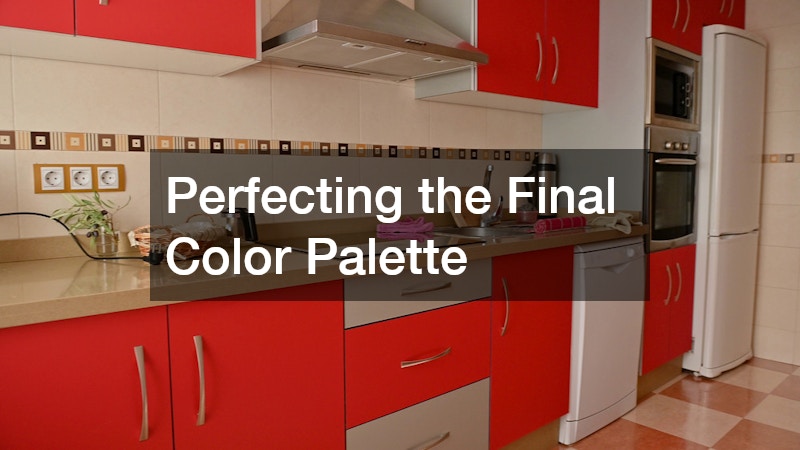
The final paint application ties all the disparate elements—the stone, the wood, the metal, and the glass—into one cohesive design story. Because the kitchen is prone to grease splatter and steam, the chemical formulation of the paint matters just as much as the color choice.
- Durable Sheens: Avoid flat or matte paints on high-touch kitchen walls. Opt instead for satin or semi-gloss finishes that can be repeatedly wiped down with soap and water without degrading the paint film.
- Cohesive Transitions: Ensure the wall color complements the undertones of your cabinetry and countertops, creating a harmonious transition rather than a jarring visual clash.
- Anti-Microbial Formulations: Select premium paints blended with mold and mildew inhibitors to provide an extra layer of structural defense against the ambient humidity generated by large cooking pots.
Hiring skilled local painters ensures that all drywall seams are flawlessly patched, baseboards are crisply caulked, and the final paint film is applied with absolute precision, leaving a smooth, brush-stroke-free finish that crowns the entire renovation project.
Assembling a modernized kitchen is undeniably an intricate puzzle requiring patience, substantial financial investment, and meticulous planning. However, when you approach the project methodically—focusing first on spatial ergonomics, followed by robust hidden infrastructure, durable surfaces, and refined environmental details—the process transforms from a chaotic gamble into a rewarding journey.
By systematically coordinating specialized professionals at each distinct phase of construction, you protect yourself from the stress of unexpected structural surprises and subpar finishes. The reward for this disciplined approach is a beautiful, high-efficiency space that simplifies your daily routines, elevates your culinary endeavors, and serves as a gorgeous backdrop for family memories for decades to come. Armed with a clear blueprint and a commitment to quality craftsmanship, you are fully prepared to turn your dream kitchen into a tangible, long-lasting reality.