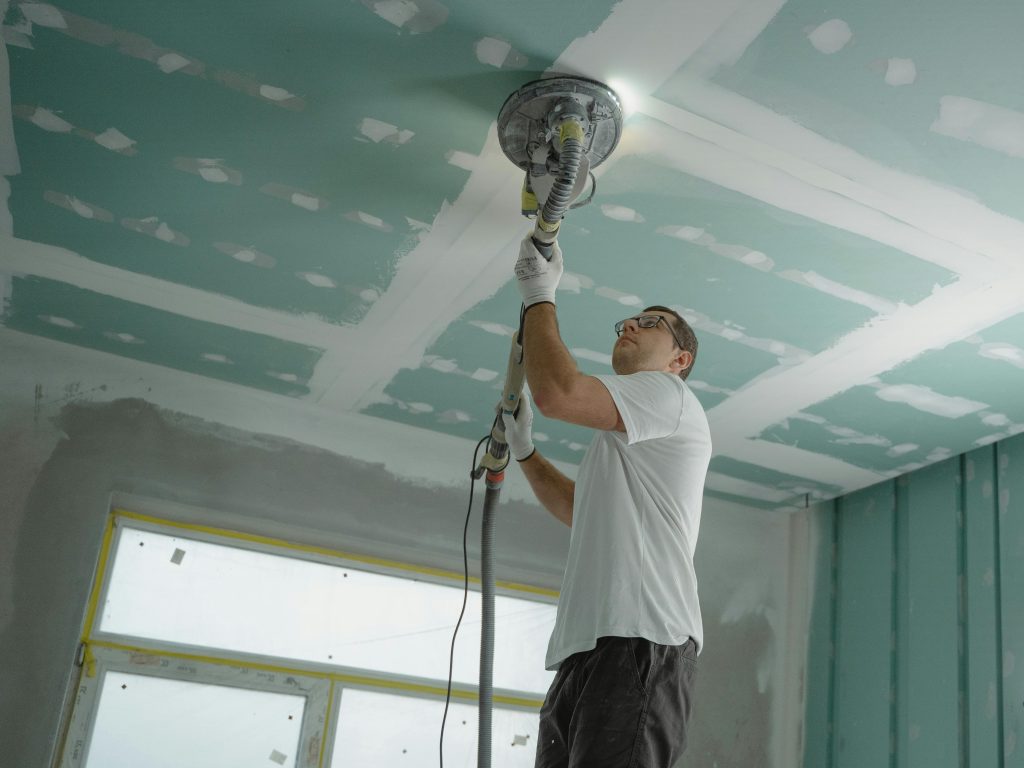

When we walk into a room, we usually look at the furniture, the paint on the walls, or the rugs on the floor. We rarely think to look straight up. But in the world of home design, the ceiling is often called the “fifth wall.” It has a massive impact on how a room feels. A high ceiling can make a small room feel like a grand hall, while a textured ceiling can make a large space feel cozy and warm.
If you are planning a renovation, changing your ceiling is one of the most effective ways to upgrade your home’s personality. You don’t have to settle for the standard, flat white drywall that comes with most houses. Whether you are working with a tight budget or you are ready to splurge on a luxury look, there is a ceiling style that fits your needs.
In this guide, we are going to explore the most popular types of ceilings used in modern homes. We will look at how they are built, what they cost, and which architectural styles they match best. By the end of this article, you will be ready to look up and see a world of design possibilities.
1. The Conventional Flat Ceiling
This is the most common type of ceiling found in American homes. It is usually 8 or 9 feet high and made of flat sheets of drywall.
- The Budget: This is the most affordable option. Since the materials are standard and the installation is straightforward, it is the “baseline” for home construction.
- The Look: It is simple and clean. Because it doesn’t draw attention to itself, it allows your furniture and wall decor to be the stars of the show.
- Best For: Small rooms, hallways, and modern homes where a minimalist look is preferred.
- Pro Tip: If a flat ceiling feels too boring, you can use a “high-gloss” paint. This reflects light and makes the room feel much taller than it actually is.
2. Vaulted and Cathedral Ceilings

If you want to add “drama” to a room, a vaulted ceiling is the way to do it. These ceilings follow the slope of the roof, rising up to a high point in the center.
- The Difference: A “Cathedral” ceiling has two equal sloping sides that meet at a ridge in the middle, looking like an upside-down “V.” A “Vaulted” ceiling is a broader term for any ceiling that is arched or sloped higher than the standard 8-foot height.
- The Budget: These are more expensive because they require special “scaffolding” to build and more materials to finish. They also increase your heating and cooling bills because there is more air in the room to regulate.
- The Look: Grand, open, and majestic. These are perfect for “Great Rooms” or master bedrooms.
- Best For: Farmhouse, Craftsman, or any home where you want to emphasize a sense of space.
3. Tray Ceilings
A tray ceiling looks exactly like it sounds—like an upside-down tray. The center part of the ceiling is recessed (pushed up) higher than the perimeter.
- The Design: Usually, the “step” between the two levels is about 6 to 12 inches. Designers often paint the recessed part a different color than the border to create a “layered” look.
- The Budget: This is a mid-range project. It requires some extra carpentry to build the “frame” for the tray, but it uses standard drywall.
- The Look: Sophisticated and elegant. Tray ceilings are very popular in formal dining rooms and primary suites because they make a light fixture, like a chandelier, look like a piece of art.
- Best For: Traditional and Transitional style homes.
4. Coffered Ceilings
If you love the look of a classic library or a high-end estate, the coffered ceiling is for you. This style features a grid of sunken panels framed by decorative “beams” or molding.
- The History: This look has been used for hundreds of years in grand European palaces. It adds “architectural weight” to a room.
- The Budget: This is a high-end “splurge” project. It requires a skilled carpenter to measure and install the grid perfectly. However, you can save money by using “faux beams” made of high-density foam that look exactly like real wood but are much easier to install.
- The Look: Classic, rich, and formal.
- Best For: Home offices, libraries, and formal living rooms.
5. Beamed Ceilings
Beamed ceilings leave the structural “bones” of the house exposed, or they add “decorative” beams to create a rustic feel.
- Real vs. Faux: In some older homes, these beams are actually holding up the house. In newer homes, they are often “box beams”—hollow wooden boxes that are attached to a flat ceiling purely for style.
- The Budget: Real wood beams are expensive and heavy. Faux wood beams are a great mid-budget DIY project that provides the same look for a fraction of the price.
- The Look: Warm, cozy, and “earthy.” Beams help break up a large ceiling and make a room feel more “grounded.”
- Best For: Rustic, Industrial, and Modern Farmhouse styles.
6. Coved Ceilings
A coved ceiling features a curved transition between the wall and the ceiling. Instead of a sharp 90-degree angle, the corner is rounded.
- The Feeling: This style eliminates the “hard edges” of a room. It creates a soft, flowing look that feels very peaceful.
- The Budget: This requires specialized “cove” molding or a skilled drywall taper. It is more expensive than a flat ceiling but cheaper than a coffered one.
- The Look: Soft and artistic. It is often seen in foyers or theaters.
- Best For: Art Deco, Mediterranean, and contemporary homes.
7. Shed Ceilings
A shed ceiling slopes in only one direction. It starts high on one wall and angles down to a lower height on the opposite wall.
- The Design: You often see this in “mid-century modern” homes or in home additions where the new roof attaches to the side of the original house.
- The Budget: Very affordable for new construction. It follows the roofline, so it doesn’t require complex framing inside.
- The Look: Edgy and modern. It allows for large “clerestory” windows (windows high up on the wall) that let in lots of natural light.
- Best For: Modern and Contemporary styles.
8. Drop Ceilings (Suspended Ceilings)
A drop ceiling consists of a metal grid that hangs below the actual structural ceiling. Lightweight panels (tiles) are dropped into the grid.
- The Purpose: These are usually used in basements to hide pipes, wires, and ductwork while still allowing easy access if a repair is needed.
- The Budget: Extremely budget-friendly. It is a classic DIY project because the grid is easy to level and the tiles just pop in.
- The Look: Historically, these looked “office-like” and boring. However, modern manufacturers now make “designer” tiles that look like wood planks or embossed metal.
- Best For: Finished basements and utility rooms.
9. Tin and Pressed Metal Ceilings
Popular in the late 1800s, tin ceilings feature thin sheets of metal embossed with beautiful, intricate patterns.
- The Revival: This look is making a huge comeback in kitchens and bars. You can buy real tin, or you can buy plastic panels that look like metal for a much lower price.
- The Budget: Mid-range. Real metal panels require careful nailing and painting, while the plastic “faux” versions can be glued directly over a flat drywall ceiling.
- The Look: Vintage, shiny, and full of character.
- Best For: Victorian, Eclectic, and Industrial styles.
10. Shiplap and Wood Plank Ceilings
If you want to add texture without the “heaviness” of beams, a wood plank ceiling is a fantastic choice. This involves installing thin boards of wood directly across the ceiling.
- The Shiplap Look: Painting the planks white gives you that famous “coastal” or “farmhouse” vibe. Leaving the wood natural or staining it dark creates a cozy, “cabin” feel.
- The Budget: This is a great mid-budget DIY project. You can use “tongue-and-groove” planks that slot together easily. It is an excellent way to cover up an old, ugly “popcorn” ceiling without having to scrape it off.
- The Look: Clean but textured. It adds a “handcrafted” feel to any room.
- Best For: Coastal, Farmhouse, and Mountain homes.
Choosing the Right Ceiling for Your Room
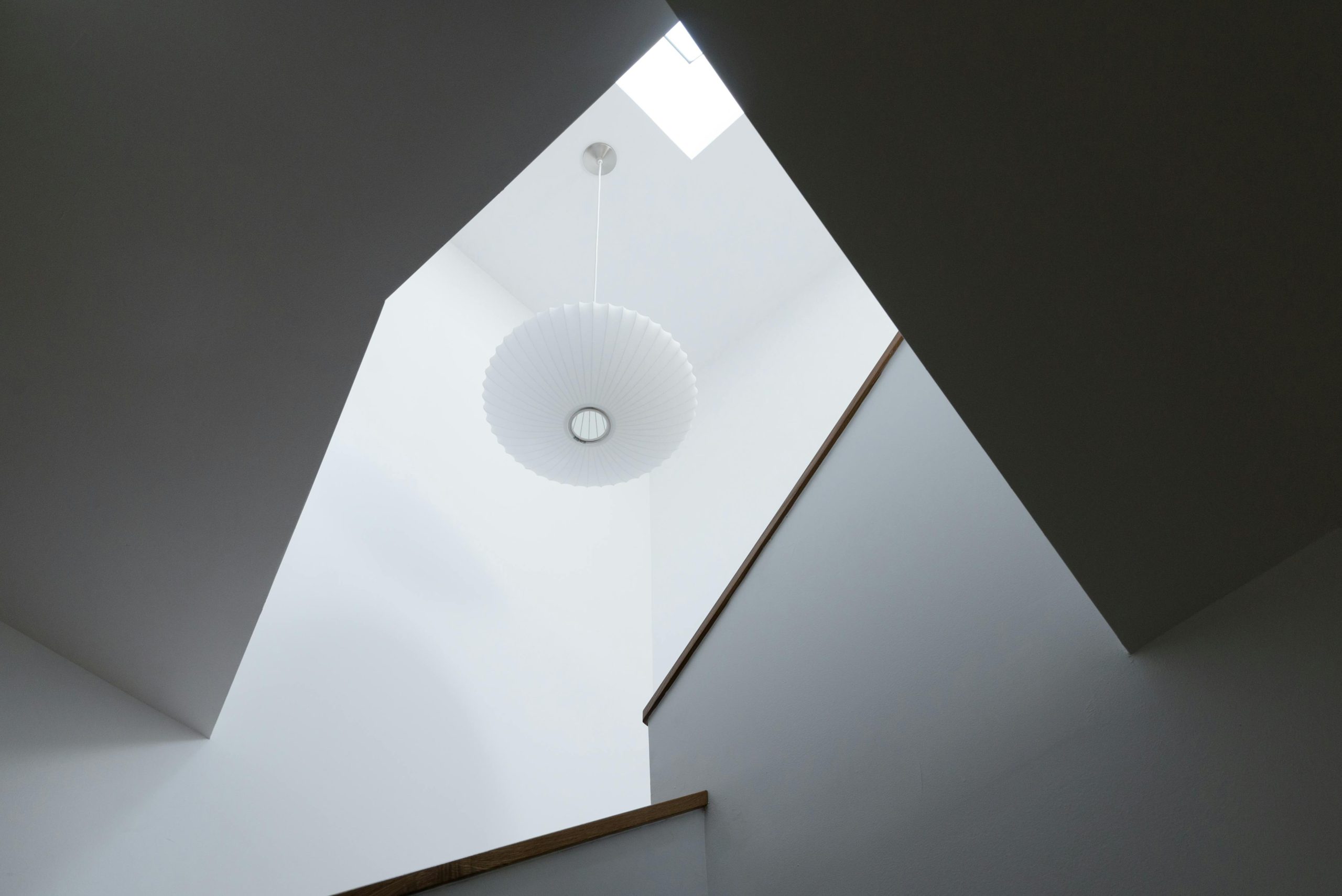
When picking a ceiling style, you should consider three main factors:
- Ceiling Height: If your ceilings are only 8 feet high, avoid dark colors or heavy beams, as these can make the room feel “oppressive.” Instead, look at tray or coved ceilings to add depth.
- Room Size: A massive coffered ceiling might look too “busy” in a tiny bathroom. Save the complex designs for larger spaces like the living room or the kitchen.
- Natural Light: High, sloped ceilings (like vaulted or shed styles) are great for rooms with lots of windows. They help bounce the sunlight deep into the house.
The ROI of Upgrading Your Ceiling
Does changing your ceiling actually add value to your home? In the eyes of a buyer, the answer is usually yes. Most homes have “cookie-cutter” flat ceilings. When a potential buyer walks into a house and sees a beautiful coffered dining room or a shiplap-covered master bedroom, the home feels “custom” and “high-end.”
While you might not get every dollar back immediately, a beautiful ceiling makes your home stand out in a crowded market. It is often the “wow factor” that makes a buyer fall in love with a property.
Conclusion
Your ceiling is a blank canvas. It is the “fifth wall” that can transform a boring box of a room into a designer masterpiece. Whether you choose the simple elegance of a tray ceiling, the rustic charm of exposed beams, or the vintage flair of pressed tin, your choice says a lot about your style.
Don’t let your home improvement plan stop at the walls. Look up! With the right materials and a little bit of imagination, you can turn your ceiling into the most talked-about feature of your home. From budget-friendly DIY planks to high-end architectural grids, there is a “top-down” solution for every home and every budget.